
Understanding Sun & Weather Exposure on Wood Fences
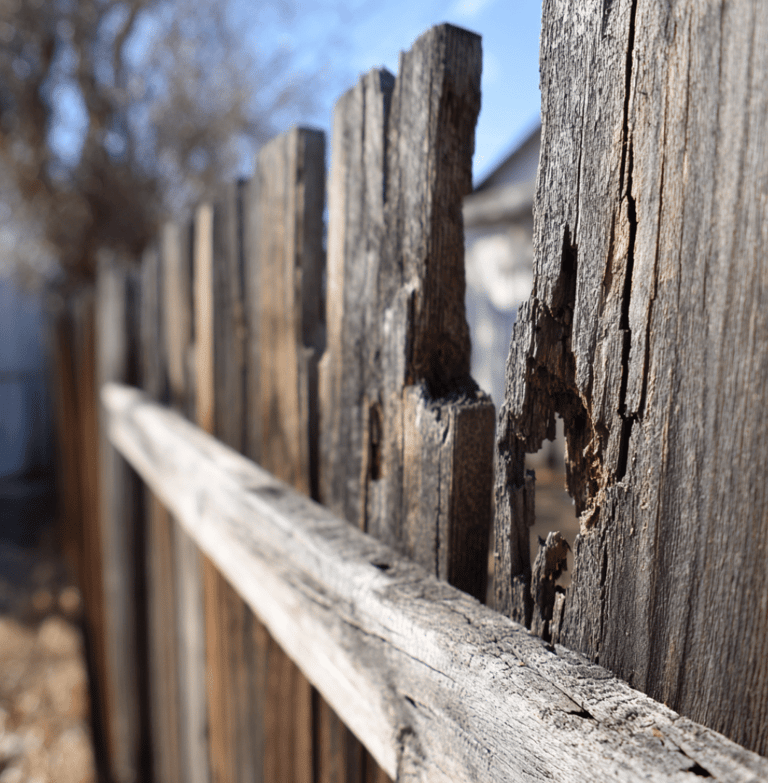
A wood fence is exposed to the weather every day. Over time, sunlight, rain, changing temperatures, and moisture can gradually affect the appearance and condition of the wood. While these changes are a normal part of outdoor exposure, understanding what to look for can help property owners monitor their fence over time.
Sunlight (UV Exposure)
The sun's ultraviolet (UV) rays slowly break down the outer surface of wood. As this happens, you may notice:
Faded color
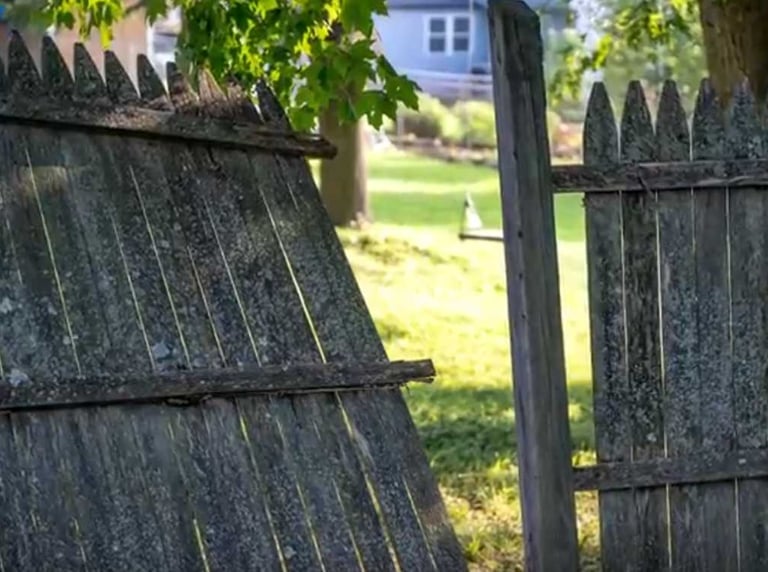
A dull or gray appearance
Dry-looking wood
Rough or raised wood fibers
These changes usually develop gradually over several years, especially on fence sections that receive direct sunlight for much of the day.
Rain, Moisture & Changing Temperatures
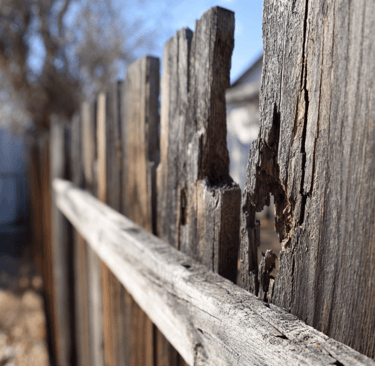
Wood naturally absorbs moisture when it gets wet and releases moisture as it dries. As this cycle repeats through changing weather and temperatures, the wood expands and contracts over time.
These natural movements may contribute to:
Small surface cracks (checking)
Minor splitting
Warping
Raised wood grain
Finish deterioration
Water staining
These conditions are common on aging wood fences and may vary depending on climate, exposure, and maintenance.
Horizontal Fence Rails
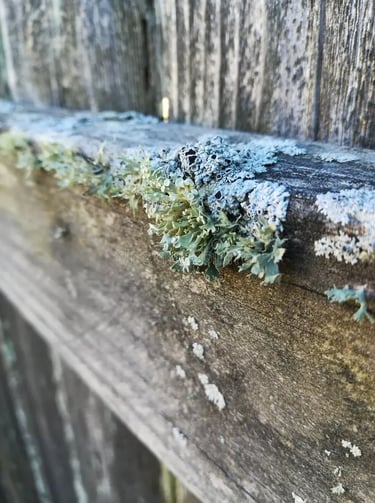
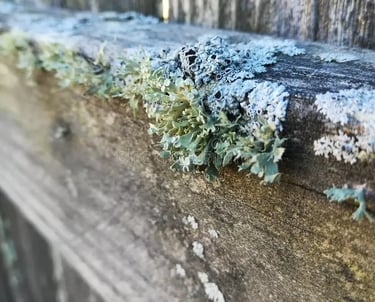
Horizontal rails are among the most exposed parts of many wood fences. They often receive direct sunlight while also collecting rainwater, leaves, and other debris. Because of this repeated exposure, rails may weather differently than other fence components.
As wood gradually weathers and changes over time, nails or screws may not grip the wood as tightly as they once did. In some cases, this can contribute to loose pickets, loose fasteners, or movement at rail connections.
Keeping horizontal rails clean and free of leaves, dirt, and trapped moisture may help reduce prolonged moisture exposure.
Protective Finishes
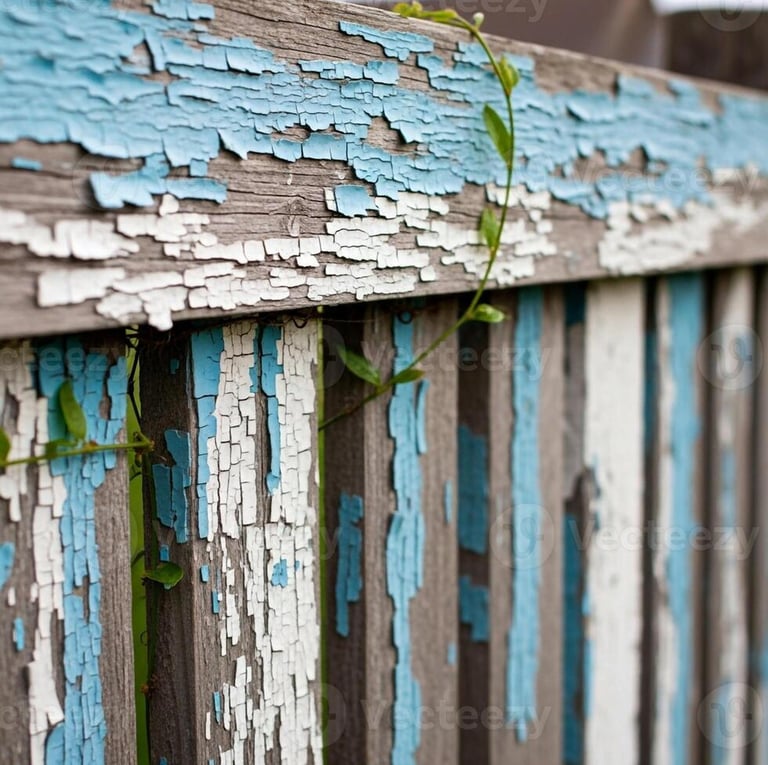
Paints, stains, and sealers help protect wood from weather exposure. Over time, these protective finishes naturally wear down and may require maintenance or reapplication.
Signs that a protective finish may be wearing include:
Peeling
Flaking
Fading
Bare wood becoming visible
Regular Documentation
Documenting your fence with photographs, measurements, and written observations can help track changes over time. Maintaining a record of your fence's condition may also be useful for maintenance planning, property records, insurance discussions, contractor consultations, or real estate transactions.
Our Role
Fence & Gate Documentation Services documents observable fence conditions through photographs, measurements, condition ratings, and written observations.
Our reports document observable conditions at the time of the appointment. We do not provide engineering evaluations, structural certifications, safety certifications, repair recommendations, or code compliance determinations.
Understanding how sun and weather affect wood fences can help property owners recognize normal aging and monitor changes over time.
Contact:
You can also reach us on social media:
© 2025. All rights reserved.