
Dye Penetration Testing
What is Dye Penetration Testing (DPT)?
Dye Penetrant Testing (DPT) is a specialized documentation process used on accessible metal components and welds. Unlike a standard visual observation, DPT uses a highly visible dye and developer to help reveal certain surface indications that may be difficult to see with the naked eye.
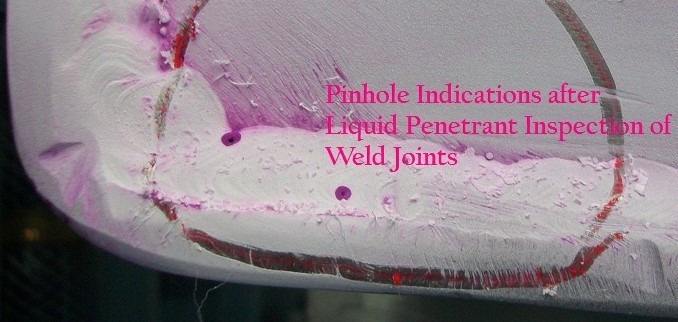
What is the Process?
The process begins by cleaning the area being tested. A liquid dye is then applied and allowed to sit for a specified amount of time so it can enter any surface openings that may be present.
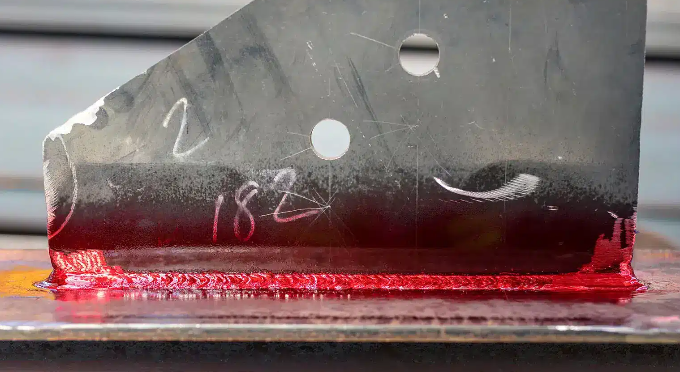
After the excess dye is removed, a developer is applied to draw the dye back out of those openings, making potential indications easier to observe and photograph.
The results are documented with photographs and written observations in a separate Dye Penetrant Testing Documentation Report.
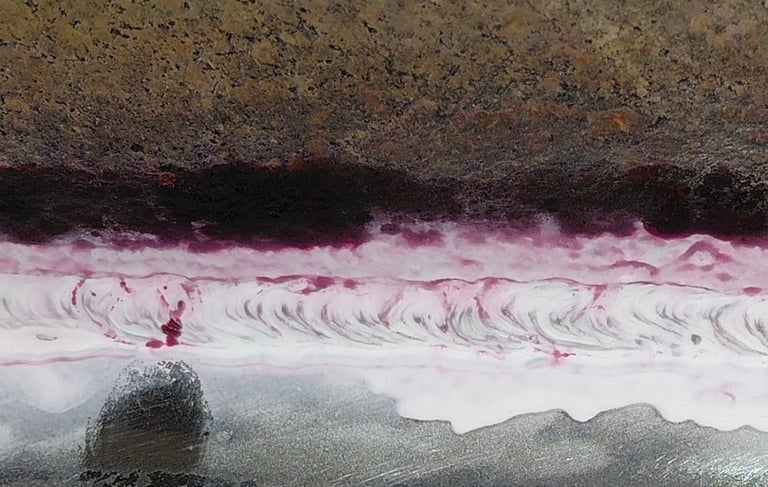
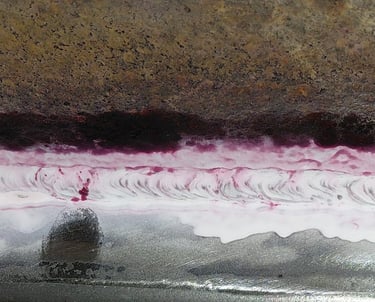


Does this type of report take longer than a normal documentation report?
Because the process involves cleaning, dye application, waiting periods, developer application, observation, and photo documentation, it requires additional time beyond a standard fence or gate documentation appointment.
Check below for instructions on how to prep for your DPT appointment.
Dye Penetrant Testing (DPT) Preparation Instructions
To help ensure a successful Dye Penetrant Testing (DPT) appointment, please complete the following steps before your scheduled service.
Step 1: Identify the Area to Be Tested
Determine which gate, weld, hinge, bracket, or metal component you would like documented.
Examples include:
Gate hinge welds
Gate frame welds
Latch bracket welds
Fence connection welds
Other accessible metal welds
Step 2: Clear Access to the Area
Please remove any items that may block access to the test area, including:
Vehicles
Trash cans
Lawn equipment
Stored materials
Patio furniture
Decorations
Other obstructions
A clear working area allows for safer and more efficient documentation.
Step 3: Trim Vegetation if Necessary
If bushes, vines, weeds, or other vegetation are covering the area to be tested, please trim or remove them before the appointment.
The test area should be fully visible and accessible.
Step 4: Remove Loose Dirt and Debris
Using a dry cloth, soft brush, or compressed air, remove:
Dirt
Dust
Cobwebs
Loose debris
Do not use grinders, wire wheels, sanders, or power tools.
Step 5: Do Not Modify the Surface
Please do NOT:
Grind the weld
Sand the weld
Wire wheel the weld
Apply paint
Apply primer
Apply coatings
Perform repairs
Modifying the surface may affect documentation results.
Step 6: Notify Us of Heavy Coatings
Please inform Fence & Gate Documentation Services before the appointment if the area contains:
Heavy paint
Powder coating
Epoxy coatings
Excessive rust
Galvanized coatings
Other surface treatments
Certain coatings may limit or prevent Dye Penetrant Testing.
Step 7: Secure Pets
For safety, please ensure pets are secured away from the work area during the appointment.
What Happens During the Appointment?
Fence & Gate Documentation Services will:
Verify accessibility
Perform final surface preparation as needed
Apply penetrant
Allow the required dwell time
Remove excess penetrant
Apply developer
Document observations
Take photographs
Prepare a separate Dye Penetrant Testing Documentation Report
Important Notice
Dye Penetrant Testing is a documentation service intended to record observable test indications on accessible surfaces.
Fence & Gate Documentation Services does not provide engineering evaluations, structural certifications, safety certifications, repair recommendations, or code compliance determinations.
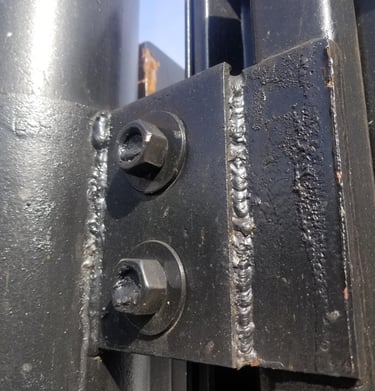
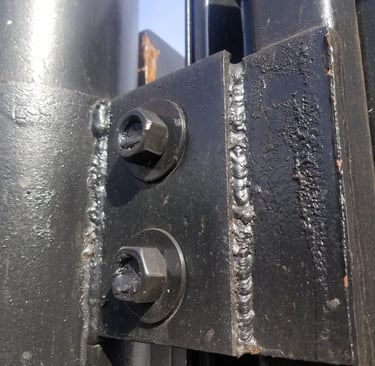
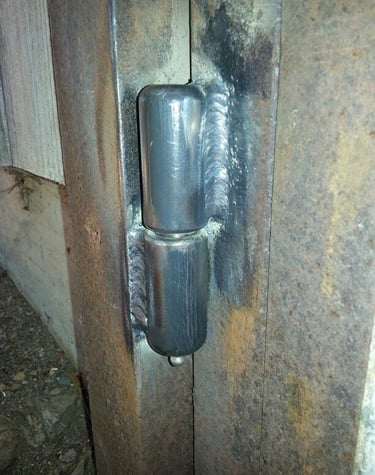
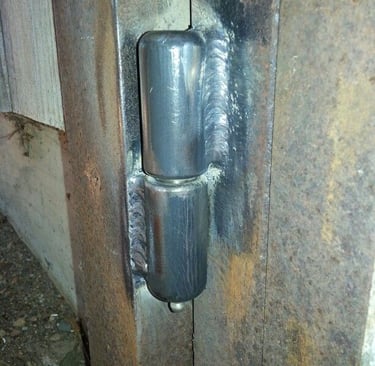
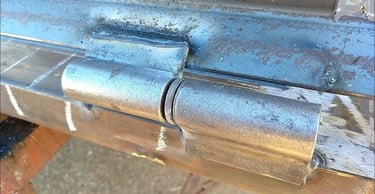
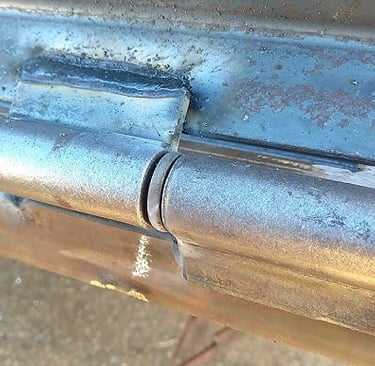
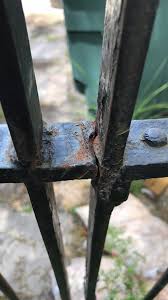
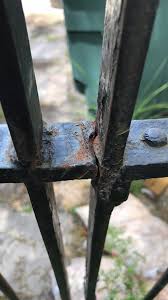
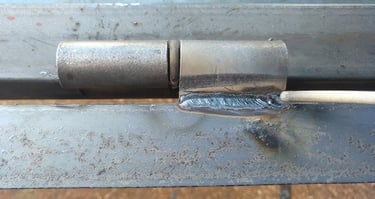
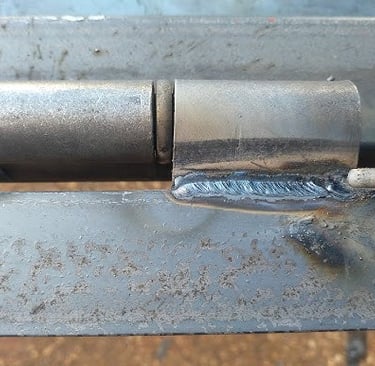
(Examples of different welds on fences and gates below.)
Why Consider Dye Penetrant Testing?
Not every weld that appears sound on the surface is free of surface-breaking indications. While many residential and commercial fences and gates are visually inspected during fabrication or installation, specialized testing is not routinely performed on every project.
Dye Penetrant Testing (DPT) provides an additional level of documentation by helping reveal certain surface indications that may not be easily visible during a standard visual observation. This can be especially valuable for frequently used components such as gate hinges, latch brackets, gate frames, and other welded connections that experience repeated opening, closing, vibration, or wind loads.
For homeowners, DPT can provide added documentation for gates that receive daily use or before buying or selling a property. For commercial and industrial properties, it can help document the condition of welded components on security gates, dumpster enclosures, access gates, and other high-use fence systems.
The results are documented with photographs and written observations in a separate report, providing an objective record of the tested components at the time of service.
You can also reach us on social media:
© 2025. All rights reserved.